When comparing LiteSpeed and Nginx, both are high-performance web servers, but they differ in architecture, features, and real-world optimization — especially for WordPress and dynamic websites.
But choosing the right web server is one of the most important performance decisions for any website. Here we’ll compare LiteSpeed vs Nginx performance, features, use cases, and which one is best for WordPress, dynamic applications, and high-traffic environments.
What is LiteSpeed?
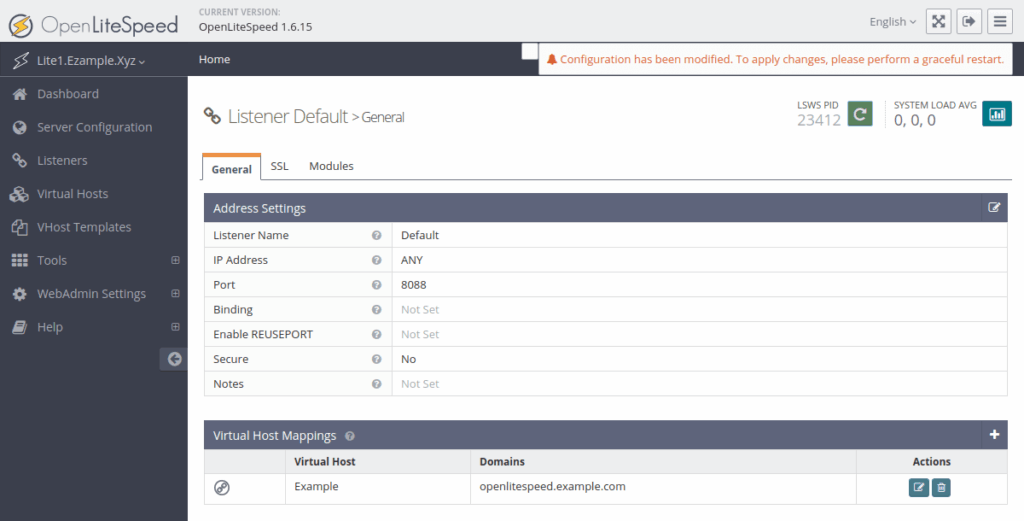
LiteSpeed Web Server is a high-performance web server designed as a drop-in replacement for Apache. It is available in:
- Enterprise (Paid version)
- OpenLiteSpeed (Free & open-source)
Key Features of LiteSpeed
- Event-driven architecture
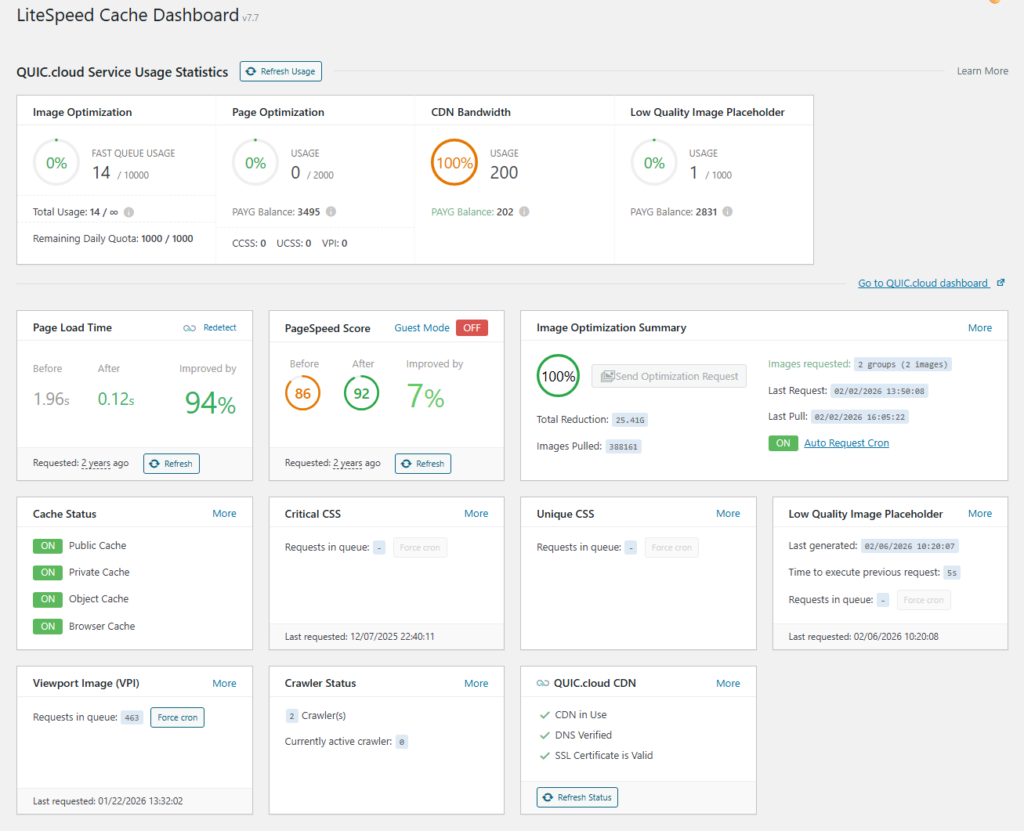
- Built-in server-level caching (LSCache)
- Native HTTP/2 & HTTP/3 support
- Apache
.htaccesscompatibility - Optimized PHP processing via LSAPI
LiteSpeed is particularly popular in WordPress hosting because of its built-in caching system and minimal configuration requirements.
What is Nginx?
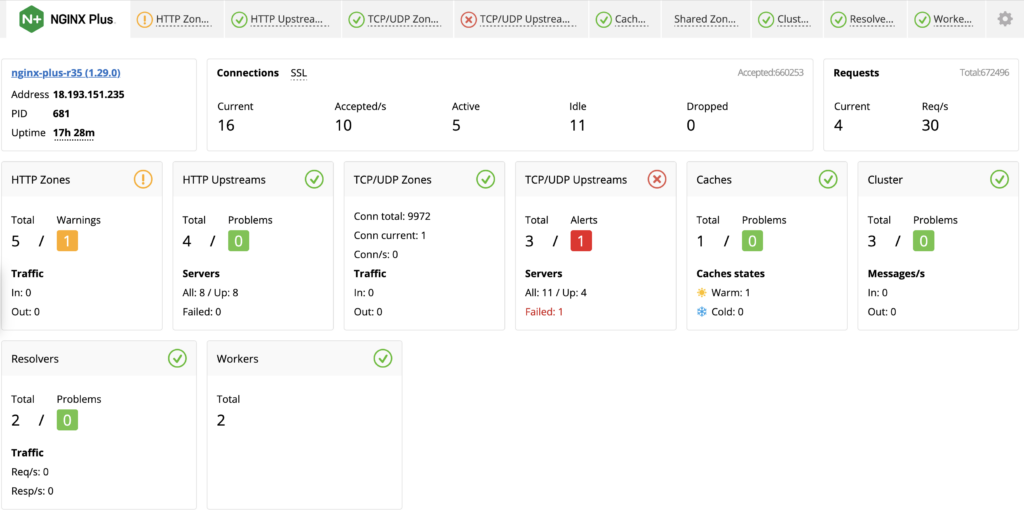
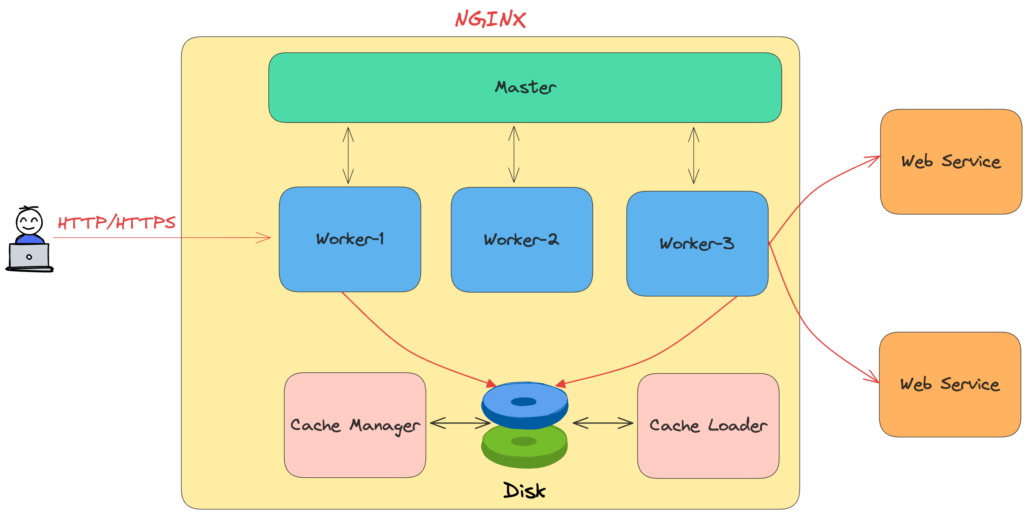
Nginx is an open-source web server known for its lightweight, event-driven architecture. Nginx powers many high-traffic websites due to its stability and ability to handle thousands of concurrent connections efficiently.
It is widely used as:
- A web server
- Reverse proxy
- Load balancer
- API gateway
Architecture Comparison
Both LiteSpeed and Nginx use an event-driven architecture, which allows them to handle multiple requests efficiently without consuming excessive memory.
However, the difference lies in:
- How they handle PHP
- How caching is implemented
- Configuration complexity
LiteSpeed integrates caching directly at the server level, while Nginx requires manual configuration of FastCGI cache or external caching layers.
Performance Comparison
1. Static Content Performance
Winner: Nginx (Slight Edge)
When it comes to delivering static assets such as images, CSS files, JavaScript, fonts, and downloadable documents, Nginx has a slight performance advantage. Its lightweight, event-driven architecture is specifically optimized to serve static files with minimal memory usage and extremely low latency. Because Nginx processes requests asynchronously and avoids unnecessary overhead, it can efficiently handle thousands of simultaneous static file requests without significant performance degradation.
In high-traffic environments where static content makes up a large percentage of total requests, Nginx often demonstrates marginally better throughput and response consistency. While LiteSpeed also performs exceptionally well in this area, Nginx’s minimal design gives it a small edge in pure static delivery benchmarks.
2. Dynamic Content Performance (WordPress, PHP)
Winner: LiteSpeed
For dynamic content — particularly WordPress and PHP-based websites — LiteSpeed Web Server generally outperforms Nginx in out-of-the-box configurations. LiteSpeed uses LSAPI (LiteSpeed Server API), which is optimized specifically for PHP processing and reduces communication overhead between the web server and PHP engine. This results in faster execution times and improved Time to First Byte (TTFB).
Additionally, LiteSpeed includes LSCache, a built-in server-level caching system that dramatically improves performance for dynamic websites. When properly configured, LSCache can serve cached pages without invoking PHP at all, significantly lowering CPU usage and improving scalability during traffic spikes. For WordPress users who prefer minimal server tuning, LiteSpeed often delivers superior performance with less technical complexity.
3. Caching System
Caching is one of the most critical factors influencing real-world website performance. LiteSpeed includes a native, server-level caching engine (LSCache) that integrates directly with WordPress and other popular CMS platforms. This tight integration allows website owners to control advanced caching features directly from the WordPress dashboard without complex server configuration.
In contrast, Nginx does not include built-in full-page caching by default. Instead, administrators must configure FastCGI cache manually, which requires deeper server knowledge and careful optimization. While Nginx’s caching system can be extremely powerful when properly tuned, LiteSpeed offers a more user-friendly and streamlined experience for most website owners.
| Feature | LiteSpeed | Nginx |
|---|---|---|
| Built-in Page Cache | Yes (LSCache) | No (manual setup) |
| WordPress Integration | Native plugin support | Manual configuration |
| Ease of Setup | Beginner-friendly | Advanced |
4. Resource Usage
Both LiteSpeed and Nginx are known for their efficient resource management compared to traditional process-based servers. Nginx is particularly lightweight and is often praised for its minimal memory footprint, making it ideal for high-concurrency systems and API infrastructures.
LiteSpeed may consume slightly more memory in certain configurations, particularly when advanced caching and optimization features are enabled. However, its intelligent connection handling and built-in optimizations often reduce overall CPU load in dynamic environments. In shared hosting scenarios, LiteSpeed frequently demonstrates better stability under sudden traffic surges due to its adaptive resource management.
5. Apache Compatibility
Winner: LiteSpeed
One of LiteSpeed’s major advantages is its compatibility with Apache configuration files, including .htaccess rules. This allows website owners to migrate from Apache to LiteSpeed without rewriting rewrite rules, redirects, or security directives. The transition is typically seamless, which significantly reduces deployment time and technical risk.
Nginx, on the other hand, does not support .htaccess files. All configuration rules must be manually converted into Nginx syntax and placed within the server configuration file. While this can result in cleaner and more centralized configuration management, it requires additional technical expertise during migration.
6. HTTP/3 & Modern Protocol Support
Both LiteSpeed and Nginx support modern web protocols, including HTTP/2, HTTP/3, and QUIC. These protocols improve connection efficiency, reduce latency, and enhance overall page loading performance — particularly on mobile networks.
In current deployments, there is no significant performance difference between the two servers regarding protocol support. Both are fully capable of delivering secure, modern web experiences that align with current browser standards. Therefore, protocol support is not a deciding factor in most LiteSpeed vs Nginx comparisons.
Also Read: Top Web Hosting Services Compared (Speed, Price, & Support)
Real-World Use Case Comparison
Choose LiteSpeed If:
LiteSpeed is an excellent choice for WordPress websites, especially when performance optimization needs to be simple and effective. It is particularly well-suited for shared hosting environments where ease of setup and built-in caching are major priorities.
If you require Apache compatibility or want to improve TTFB without investing significant time in manual server tuning, LiteSpeed provides a streamlined and efficient solution. It is often favored by hosting providers offering managed WordPress services.
Choose Nginx If:
Nginx is ideal for high-traffic applications, APIs, and custom software stacks such as Laravel or Node.js deployments. Its flexibility makes it a strong choice for developers who require reverse proxy configurations, load balancing, or microservices architecture.
Organizations that prioritize fully open-source infrastructure and are comfortable with advanced configuration management often prefer Nginx. With proper tuning, it can match or exceed performance expectations in enterprise environments.
SEO Impact: Which is Better?
From an SEO standpoint, web server performance directly influences TTFB, page speed, and Core Web Vitals — all of which are ranking factors. Faster server response times lead to improved crawl efficiency and better user experience metrics.
LiteSpeed frequently provides faster default TTFB for WordPress sites because of its integrated caching system. This can positively impact PageSpeed scores and reduce server response warnings in tools like Google PageSpeed Insights.
However, a properly optimized Nginx server with FastCGI caching can achieve comparable performance. Ultimately, SEO success depends more on correct configuration than on server brand alone.
Cost Comparison
| Server | Free Version | Paid Version |
|---|---|---|
| LiteSpeed | OpenLiteSpeed | Enterprise License |
| Nginx | Fully Free | Nginx Plus |
LiteSpeed Enterprise requires a commercial license, which may increase hosting costs depending on server specifications. OpenLiteSpeed offers a free alternative but lacks some enterprise-level features.
Nginx is completely free and open-source in its standard version, making it attractive for cost-sensitive deployments. Only Nginx Plus, the enterprise edition, involves licensing fees.
LiteSpeed vs Nginx Performance
There is no universal winner in the LiteSpeed vs Nginx debate — the best choice depends entirely on your specific use case and technical environment. For WordPress websites and shared hosting, LiteSpeed typically delivers better performance with less configuration effort.
For custom applications, APIs, and large-scale distributed systems, Nginx provides unmatched flexibility and scalability. In static-heavy environments, Nginx maintains a slight efficiency advantage, while LiteSpeed excels in dynamic content optimization.
When properly configured, both servers are capable of supporting enterprise-level traffic with excellent stability and speed. The real performance difference lies not only in the server itself but in how effectively it is implemented and optimized.